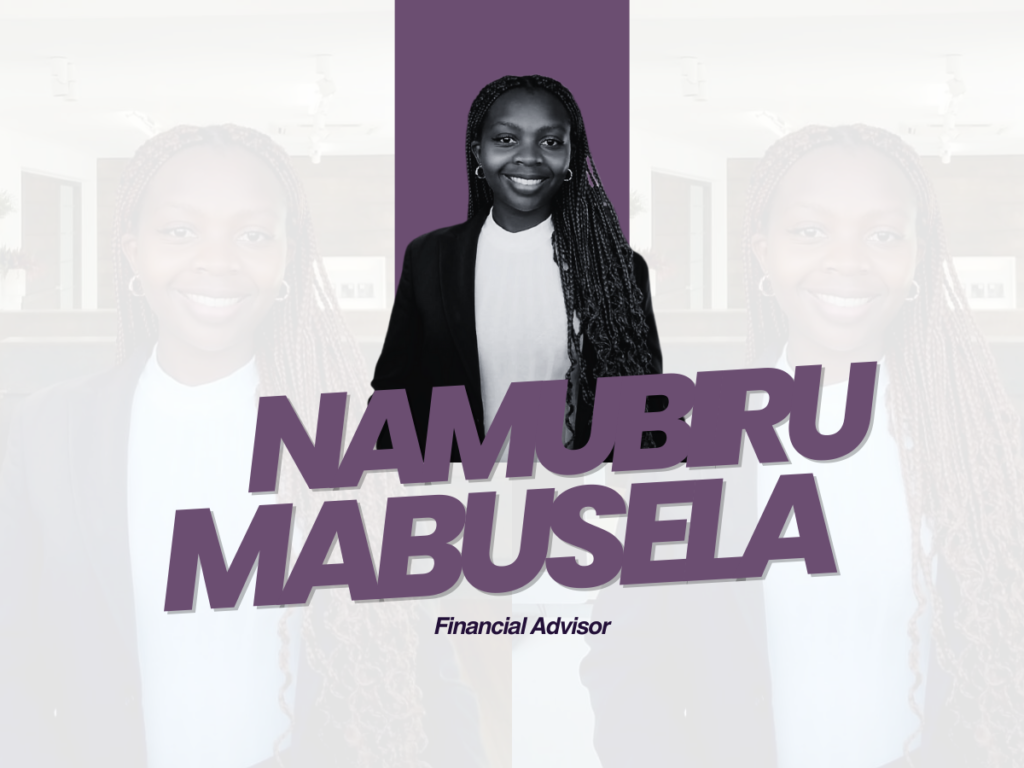
Retirement planning often feels like a far-off concept for young professionals. With student loans, first jobs, and growing financial responsibilities, saving for the future can seem overwhelming. Namubiru Mabusela, a certified financial advisor and advocate for life-centered financial planning, challenges this mindset. She believes that starting early, even with small steps, is the key to long-term financial security.
The Biggest Barrier: Why Young Professionals Delay Retirement Planning
According to Namubiru, one of the main obstacles stopping young professionals from planning for retirement is peer pressure and social comparisons. Social media often paints an unrealistic picture of lifestyles that appear effortless. “You see your friend living a certain lifestyle, and suddenly, you feel like you need to match it,” she explains.
Family responsibilities are another significant factor. Young professionals often support family members, making it challenging to prioritize saving for the long term. Namubiru advises creating boundaries and budgeting strategically. She recommends:
- Never disclose your salary with family to avoid financial pressure.
- Allocating a fixed monthly amount for family support and sticking to it.
- Planning your personal finances first, then helping others.
Building a Strong Financial Foundation
Namubiru introduces the concept of the financial pyramid—a strategic framework for young professionals. At the base is protecting your income through an emergency fund and income protection insurance. This ensures that unexpected events, such as retrenchment or illness, don’t derail your financial journey.
Next comes insurance, including life cover, disability cover, and critical illness insurance. Many young professionals skip this step, opting instead to jump straight into investments. Namubiru cautions against this approach, sharing from personal experience the setbacks that arise from inadequate insurance coverage.
Only once the foundation is secure should individuals focus on retirement accounts and investments. This ensures that your financial plan is resilient and sustainable, even when life throws curveballs.
Understand the Retirement Products
Namubiru highlights several retirement products that young professionals should know about:
- Employer pension/provident funds: Contributions are helpful but rarely sufficient for a comfortable retirement.
- Retirement annuities: Personal retirement accounts designed to complement employer benefits, i.e, RAs, Pension Funds, and Provident Funds.
- Tax-free savings accounts (TFSAs): Her top recommendation. Contributing up to R36,000 per year, the returns compound tax-free, making it a powerful long-term growth vehicle.
She warns against treating TFSAs as short-term savings. “It’s an investment tool, not a piggy bank. Let it grow and reinvest to maximize the tax advantage.”
Start Small, Stay Consistent
A common misconception is that retirement planning is expensive. Namubiru encourages starting with small, manageable contributions. “You don’t need R5,000 per month to start. Even R250 to R500 monthly can grow significantly over time.”
The key is consistency and leveraging the power of compounding. Regular contributions, no matter how small initially, accumulate over years, reducing the pressure to save large sums later. She also advises consulting a financial advisor rather than relying solely on online research—guidance tailored to your personal situation adds real value.
Overcoming Debt & Financial Fears
Many young professionals hesitate to start retirement planning because they feel burdened by debt. Namubiru’s advice is practical:
- Start with a plan—even R500 a month is progress.
- Consult a financial advisor to create a tailored strategy.
- Avoid trying to “time” retirement contributions perfectly; consistency beats perfection.
Her mantra: retirement isn’t an all-or-nothing journey—it’s about building habits early and adjusting along the way.
Avoid Common Retirement Pitfalls
Investing without understanding risk is a major mistake. While retirement accounts are designed for long-term growth, early withdrawals can attract heavy taxation. Bank savings accounts may feel safe but are vulnerable to theft or low growth. Namubiru stresses, “Investing for retirement should always consider both risk and return, over a long period. You might lose a portion temporarily, but consistent, long-term contributions are far safer than passive savings.”
Seek Expert Guidance
Young professionals often hesitate to engage financial advisors due to cost concerns. Namubiru clarifies her approach: the first consultation is free, giving a full assessment of your financial situation. If additional sessions are needed without product acquisition, a nominal fee is charged. This transparency ensures clients understand what they’re paying for while benefiting from professional guidance.
The Time to Act Is Now
Retirement planning isn’t reserved for the wealthy or the older generation. Starting early, even with modest contributions, can lead to financial independence and peace of mind. As Namubiru Mabusela emphasizes, the process combines practical tools—emergency funds, insurance, and TFSAs—with discipline, boundaries, and strategic guidance.
By understanding your financial story, protecting your income, and investing wisely, young professionals can ensure that retirement isn’t just a dream, but a well-planned reality. “Don’t wait for the perfect moment,” she says. “Start now—your future self will thank you.”
