A lot of people have insurance, but not a lot of people actually understand it. For many, the relationship with insurance begins and ends with a debit order leaving the account every month. The real questions only come later. What exactly am I covered for? Why do claims get delayed? What makes a claim valid? What gets people into trouble?
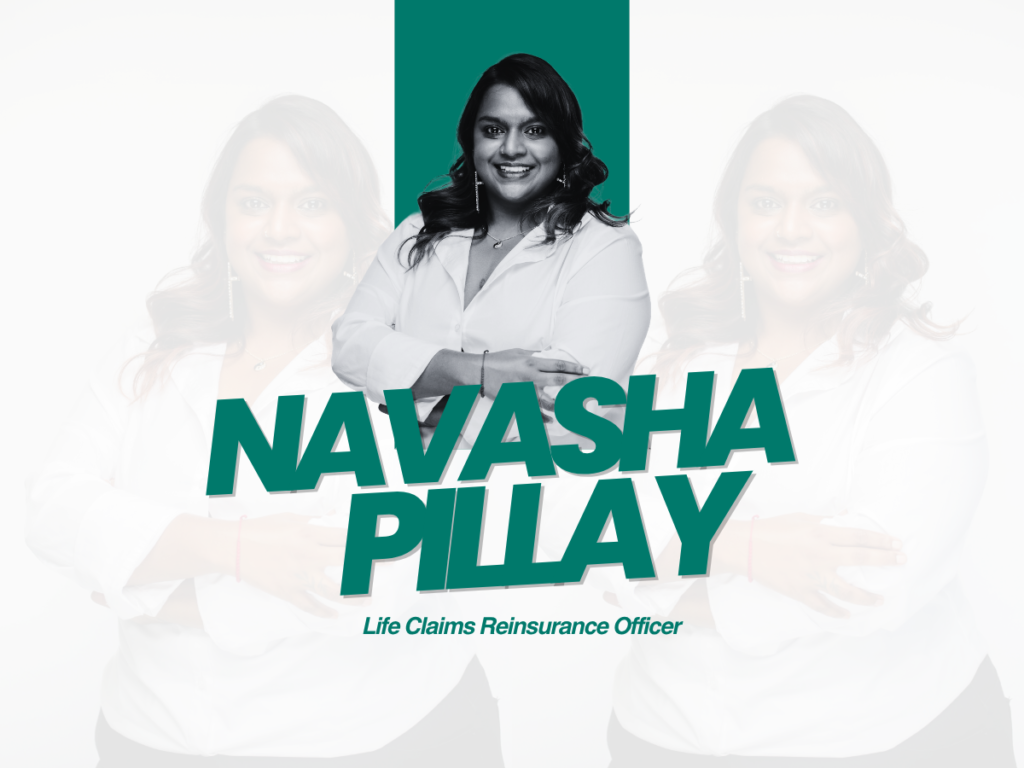
These are the kinds of questions that matter, especially for young professionals trying to build financial security. In this edition of Insure Yourself, we spoke to Navasha Pillay, a life claims reinsurance officer with over ten years of experience in life, disability, critical illness, hospital and funeral claims. Her work gives her direct insight into what happens behind the scenes when consumers submit claims and why the details matter much more than most people think.
This conversation was a reminder that insurance is not just about having cover. It is about understanding your cover.
Insurance Is a Tool, Not a Magic Guarantee
One of the biggest misconceptions around insurance is the idea that once you have a policy, you are automatically covered for any related event. In reality, insurance is a contractual product. That means it pays according to specific terms, definitions, exclusions, waiting periods and requirements.
This is where many people go wrong. They assume the existence of a policy is enough, but they do not take the time to understand what that policy actually says. Then, when something happens and they try to claim, they encounter wording or conditions they never paid attention to in the beginning.
Navasha made it clear that this misunderstanding is one of the main reasons people become frustrated with insurers. It is not always that the insurer is refusing to pay unfairly. Sometimes the client never fully understood what they agreed to.
Why Claims Are Declined
A denied claim is usually the result of several factors, not just one. According to Navasha, claims may be declined because the event does not meet the policy definition, the waiting period has not passed, an exclusion applies, the severity threshold was not met, or the evidence submitted does not support the claim.
There are also cases where the issue begins much earlier, at application stage. If someone fails to disclose important information, such as smoking history, medical conditions or hazardous activities, that non-disclosure can affect the outcome later.
This is why honesty matters so much. Insurance is priced and approved based on risk. If the information given at the start is incomplete or misleading, the claim stage becomes more complicated. Even if the non-disclosure was not intentional, it can still create delays, investigations or rejection.
The Covers People Commonly Misunderstand
Some of the most misunderstood products in insurance are also some of the most important: disability cover, critical illness cover and income protection.
Navasha explained that critical illness, often called dread disease cover, pays a lump sum if you are diagnosed with a listed serious condition, provided the diagnosis meets the policy-defined criteria. This is not just about being sick. It is about whether your specific condition matches the exact wording and severity level in the policy.
Disability cover works differently. It generally pays out if you are no longer able to work due to a temporary or permanent disability, depending on the structure of the policy. The focus is often on your ability to perform your occupation and your loss of earning capacity.
Income protection can be especially valuable for young professionals. If you are unable to work for a period of time, that cover can help replace part of your income and buy you time to recover, adjust or manage your condition. For someone with years of earning ahead of them, this can be one of the most practical forms of protection.
What Makes a Claim Easier to Process
A strong claim starts long before the claim itself. It starts with a well-understood policy, accurate disclosure and proper record-keeping.
When it comes time to claim, complete documentation makes a major difference. Insurers need the documents they ask for because those documents help establish whether the claim meets the policy terms. That may include doctor’s reports, test results, employment details, functional assessments and proof of timelines.
Claims become easier to process when the evidence is clear, the documents are complete and the facts align with the policy wording. They become delayed when information arrives in pieces, when records conflict, when medical evidence is incomplete or when fraud concerns are triggered.
In other words, a smooth claims process depends on preparation and consistency.
Why Waiting Periods Matter
One part of insurance that many consumers overlook is the waiting period. This is the period after taking out a policy during which certain claims will not yet be covered, especially for natural causes in products like funeral cover.
Navasha used the example of a funeral policy with a six-month waiting period for natural death. If the insured person passes away from natural causes within the first month, the claim can be declined because the waiting period was not met.
This does not mean the insurer is acting unfairly. It means the policy rules were active from the beginning, whether the consumer paid attention to them or not.
That is why reading the basics of your cover is so important. Even if you do not read every page, you should understand the core features: what is covered, what is excluded, how long the waiting period is, what the claim requirements are and whether you need to update the insurer if your circumstances change.
The Role of Underwriting
Another important concept from the conversation was the difference between underwritten and non-underwritten products.
Underwritten products usually involve a deeper assessment at application stage. That may include medical testing, financial checks or additional information before the insurer decides whether to accept the risk and on what terms.
Non-underwritten products, on the other hand, are generally simpler and faster to access. They may require only basic questions, smaller cover amounts and broader standard rules. However, simple access does not mean unlimited cover. These products still come with terms and conditions, and consumers still need to understand them.
Knowing whether your product is underwritten or not helps explain why some policies are approved quickly while others take longer.
Practical Steps You Can Take Today
Fraud remains a real issue in the insurance space. Navasha highlighted common red flags such as altered documents, forged certificates, staged or exaggerated disability events, non-disclosure and suspicious beneficiary changes shortly before death.
These patterns matter because fraud affects more than just one case. It affects trust, pricing and the stability of the broader insurance system.
She also pointed to AI as a tool with growing potential in insurance, particularly in administrative efficiency and pattern detection. At the same time, she believes AI cannot replace the human judgment needed in claims assessment. Fair treatment, empathy, context and balanced decision-making still require people.
That balance between technology and human reasoning will likely shape the future of the industry.
Practical Steps You Can Take Today
If you want a smoother claims experience in the future, there are practical things you can do right now.
First, answer application questions honestly and carefully. If you do not understand something, stop and ask. Second, know the basics of your policy instead of assuming you are covered for everything. Third, keep your details updated, especially if your occupation, country of residence, lifestyle risks or major circumstances change. Fourth, keep important records in order so that if you ever need to claim, you are not starting from zero.
Insurance works best when it is treated as an active financial tool, not a passive monthly payment.
Bottom Line
The biggest lesson from Navasha Pillay’s insights is that insurance is not only about protection after something goes wrong. It is also about preparation before anything happens.
A policy can be one of the most powerful financial tools you own, but only if you understand it. Knowing what your cover does, what it does not do, and how claims are assessed can save you confusion, disappointment and avoidable mistakes later.
For young adults trying to build financial confidence, that matters. Because the smartest insurance decision is not just buying a policy. It is buying one you actually understand.

